
A robe that’s so wooly it scratches
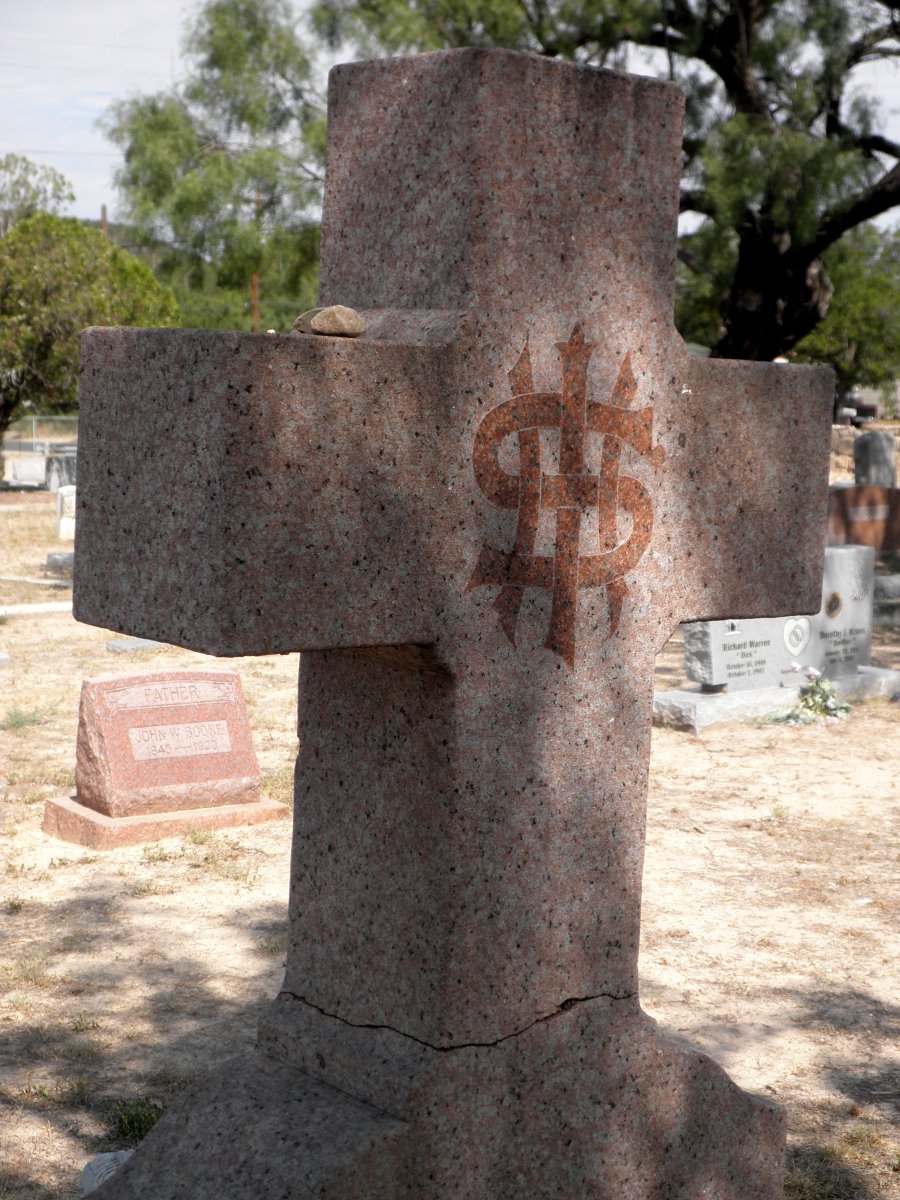
Hi readers. I don’t recall when I first discovered the joys of hanging out in cemeteries. I don’t remember ever not doing it. Somewhere back there I discovered that old cemeteries, tombstones and the ways individuals choose to remember their dead tells a lot about the communities, the local histories and priorities.

Vandalism’s a problem in a lot of the older graveyards, has been for a considerable while. But up-keep of some of the older graves where the families have died or moved away also reveals itself.


A visitor’s left to mull over how those folks standing beside the hull of someone they cared for enough to construct this managed to forget so completely. A few generations, a few wars, depressions, and something went away. Every cemetery in the US, probably in the world, has a lot of graves of 1918 flu victims. Frequently they’re all grouped together, but this one’s not arranged in that way.

The Junction cemetary has 50-100 graves of Confederate Civil War veterans, mostly marked by government-provided stones, each with a Confederate Battle Flag, Confederate flag, or Texas Confederate flag.

A dozen-or-so Texas Rangers are also buried here. Most were also Confederate veterans.

I’m wondering whether this one mightn’t have been a relative of Sherrod Hunter, commander of the troops that occupied Tucson. The world was a smaller place back then.

Not necessarily in that order
Sometimes the survivors had the stones marked with the life experiences of the dead they considered most important, sometimes the nicest things they could think of so say about them.

Sometimes just the way the dead wished to be remembered.

But Junction people have another, more visible way of remembering their dead. This one’s nearer the center of town. Almost certainly a lot of those antlers were contributed by people now residing in the cemetery. Thrilling moments of their lives, or mundane moments in hard times, bringing home meat for the table.
Old Jules




 So Far From Heaven