Category Archives: Astronomy

Time Travel

Good morning readers. I’m obliged you came by. 

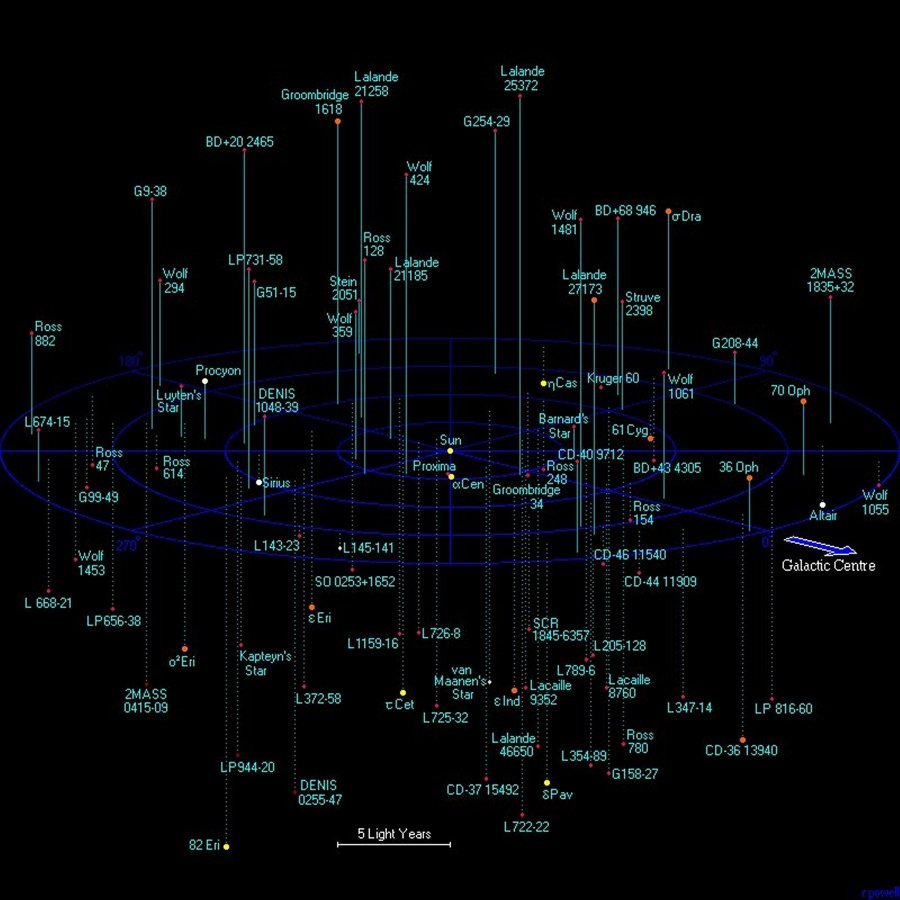
If you went outdoors with a clear sky last night early evening and craned your neck to look directly overhead you might have seen Altair.   Around the time the light that met your eye was leaving Altair I was a young man approaching the age of 50. 

I was beginning a new career, male hormones raging, severely involved in a tempestuous relationship with the lady described if you clicked the ROMANCE [https://sofarfromheaven.com/romance/ ] tab above.  [When the light reaching your eye from Cassiopia is as old as the light last night from Altair]

When that last night Altair light was leaving home on the way to a rendezvous with your eye my old friend Keith and I were doing a different kind of time travel.  We were stomping up and down mountains exploring the country around Santa Fe,  discovering the ruins of numerous hippie communes begun and abandoned around the time the Altair-light was leaving on the journey to meet our then-eyes.

We were also searching the Zuni Mountains for a lost gold mine from a time when the orange giant in Scorpio was headed on its voyage to our eyes as we sat around our night camps gazing at the sky.

I was going to do a lot longer post about this, but I’m having a connection problem slowing things down.  Probably moisture getting into the repaired phone line:

Artful Communications – White Trash Repairs 3

.

http://spaceweather.com/

The light leaving Old Sol at the time I hit SAVE DRAFT will reach the earth about the time this furshlugginer computer finishes doing it.  Roughly 8.5 minutes.  I’m going to have to do more on this sometime when the connection’s not taking much longer than the light from moon-to-earth, start to finish.

Old Jules

Vesta’s 13 Mile-High Mountain et al

About this time in 2009 I could have been rightfully accused of spending a lot of the year tracking the positions of all the larger asteroids including Vesta as part of an ongoing project.  And at that point I could accurately be accused of having learned a lot without having learned anything I could understand.

NASA – Oblique View of Vesta’s South Polar Region .

But one of the big news items of 2011 involves Vesta, or more specifically, the discovery it has a 13 mile high  mountain.

Space Mountain Produces Terrestrial Meteorites

Dec. 30, 2011: When NASA’s Dawn spacecraft entered orbit around giant asteroid Vesta in July, scientists fully expected the probe to reveal some surprising sights. But no one expected a 13-mile high mountain, two and a half times higher than Mount Everest, to be one of them.

The existence of this towering peak could solve a longstanding mystery: How did so many pieces of Vesta end up right here on our own planet?

Space Mountain (side view, 558px)

A side view of Vesta’s great south polar mountain. [more]

For many years, researchers have been collecting Vesta meteorites from “fall sites” around the world. The rocks’ chemical fingerprints leave little doubt that they came from the giant asteroid. Earth has been peppered by so many fragments of Vesta, that people have actually witnessed fireballs caused by the meteoroids tearing through our atmosphere. Recent examples include falls near the African village of Bilanga Yanga in October 1999 and outside Millbillillie, Australia, in October 1960.

“Those meteorites just might be pieces of the basin excavated when Vesta’s giant mountain formed,” says Dawn PI Chris Russell of UCLA.

Curiosity and the Solar Storm (signup)

Russell believes the mountain was created by a ‘big bad impact’ with a smaller body; material displaced in the smashup rebounded and expanded upward to form a towering peak. The same tremendous collision that created the mountain might have hurled splinters of Vesta toward Earth.

“Some of the meteorites in our museums and labs,” he says, “could be fragments of Vesta formed in the impact — pieces of the same stuff the mountain itself is made of.”

To confirm the theory, Dawn’s science team will try to prove that Vesta’s meteorites came from the mountain’s vicinity. It’s a “match game” involving both age and chemistry.

“Vesta formed at the dawn of the solar system,” says Russell. “Billions of years of collisions with other space rocks have given it a densely cratered surface.”

The surface around the mountain, however, is tellingly smooth. Russell believes the impact wiped out the entire history of cratering in the vicinity. By counting craters that have accumulated since then, researchers can estimate the age of the landscape.

Space Mountain (cross sections, 558px)

Cross-section of the south polar mountain on Vesta with the cross sections of Olympus Mons on Mars, the largest mountain in the solar system, and the Big lsland of Hawaii as measured from the floor of the Pacific, the largest mountain on Earth. These latter two mountains are both shield volcanoes.Credit: Russell et. al. (2011), EPSC

“In this way we can figure out the approximate age of the mountain’s surface. Using radioactive dating, we can also tell when the meteorites were ‘liberated’ from Vesta. A match between those dates would be compelling evidence of a meteorite-mountain connection.”

For more proof, the scientists will compare the meteorites’ chemical makeup to that of the mountain area.

“Vesta is intrinsically but subtly colorful. Dawn’s sensors can detect slight color variations in Vesta’s minerals, so we can map regions of chemicals and minerals that have emerged on the surface. Then we’ll compare these colors to those of the meteorites.”

Could an impact on Vesta really fill so many museum display cases on Earth? Stay tuned for answers..
Author: Dauna Coulter | Editor: Dr. Tony Phillips | Credit: Science@NASA

By early-to-mid 2010 the message was plain enough to me that I wasn’t going to find what I was looking for by spending anymore time and effort with asteroids.  But seeing this story at the NASA site was a bit like having an old acquaintance but-not-quite-not-quite-friend stop in for a cup of coffee without any ulterior motives other than to pass the time of day.

Old Jules

Old Sol Rejects A Christmas Gift

http://spaceweather.com/

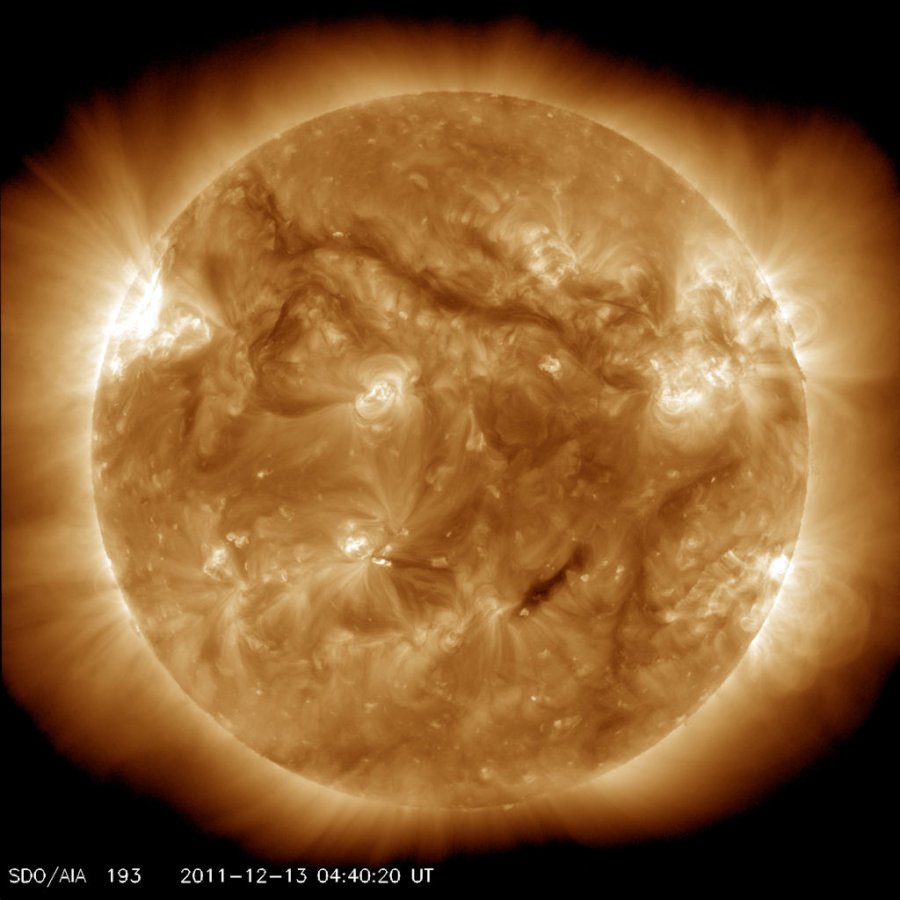
I don’t know what Old Sol got for Chrismas, but he was pretty hot about it.

Or maybe it was something he ate.

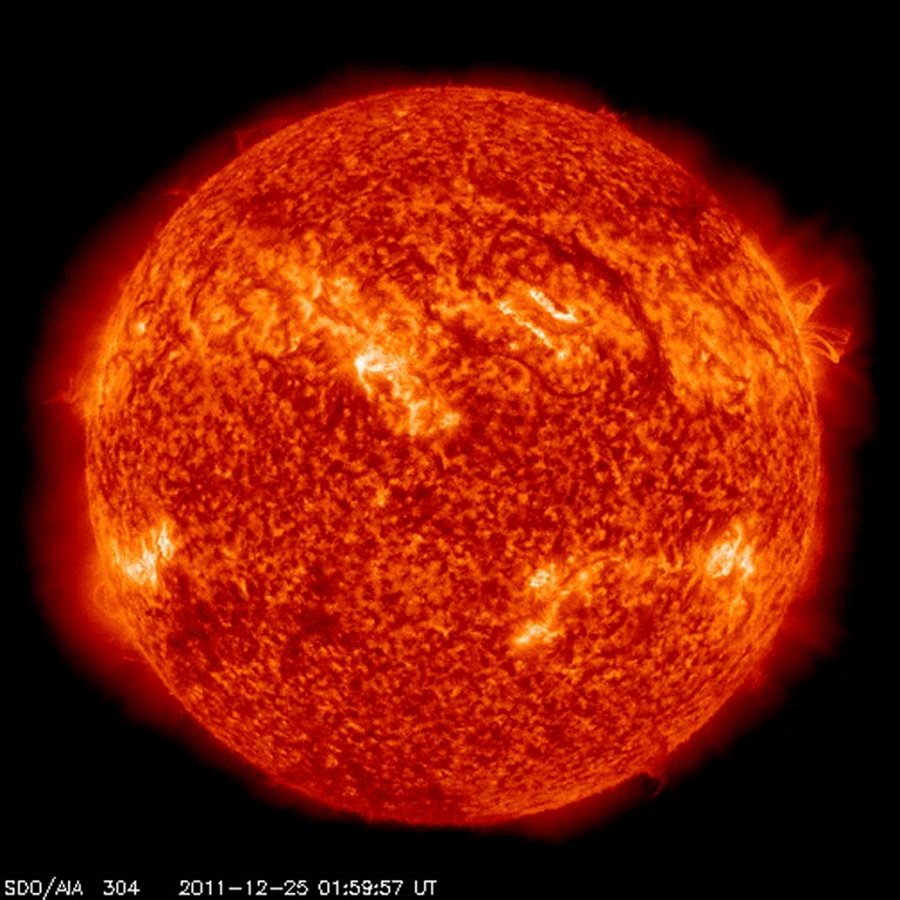
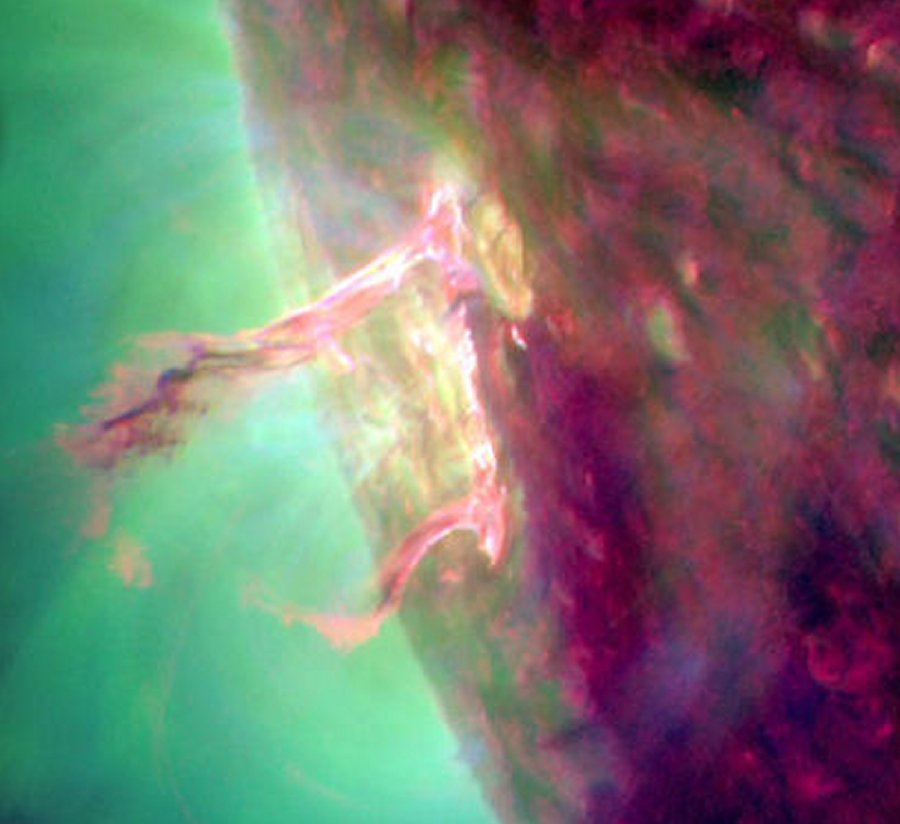
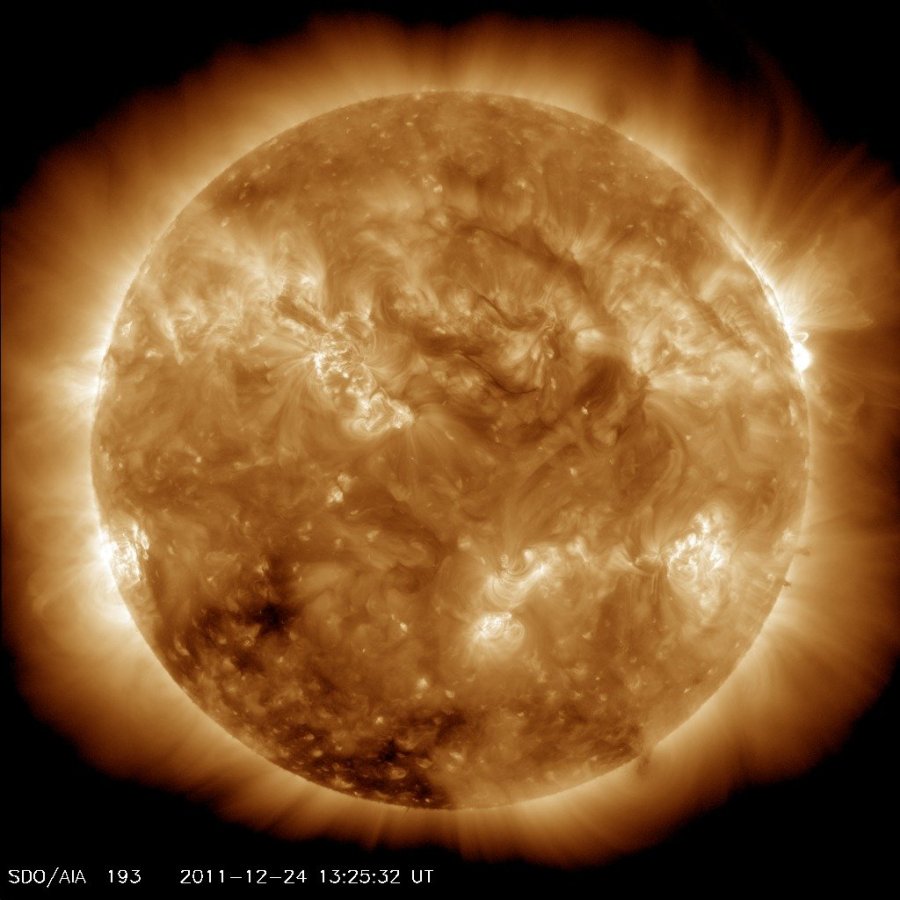
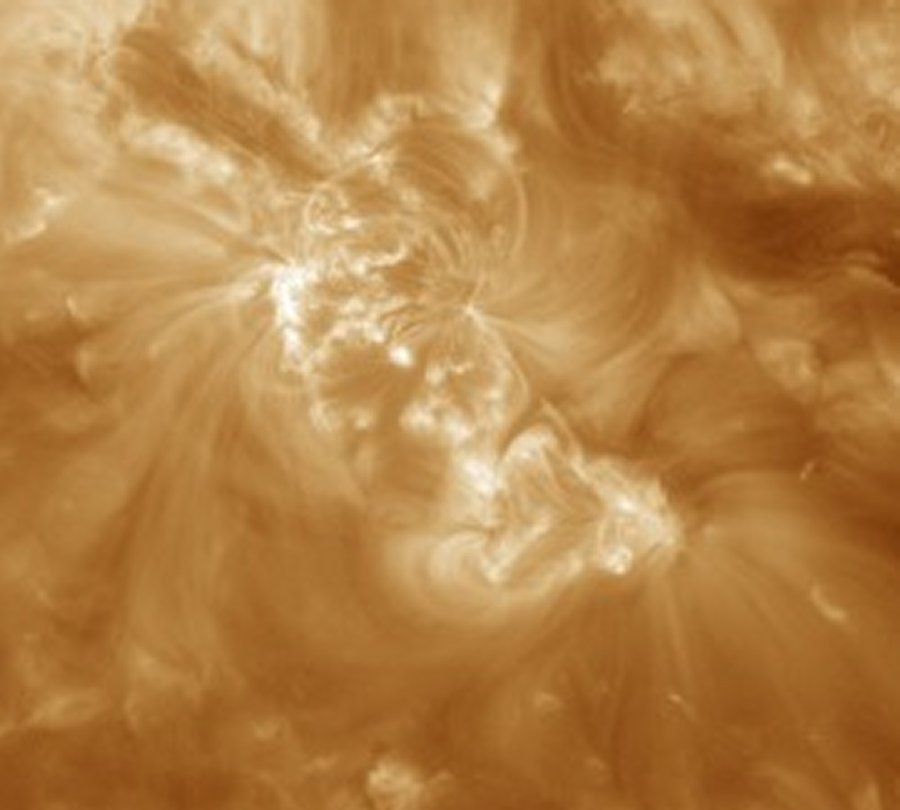
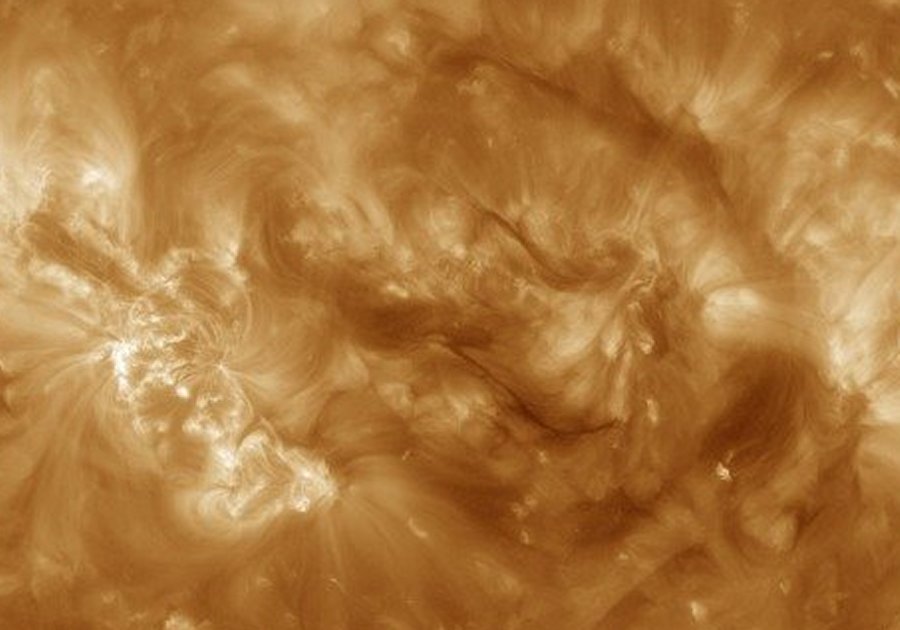
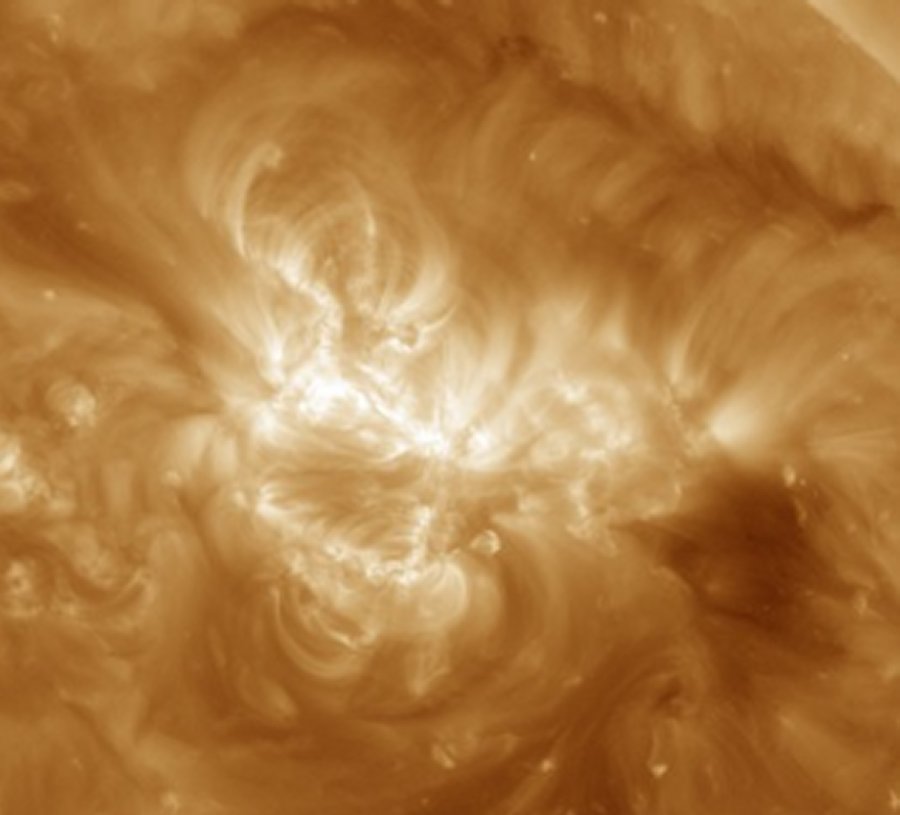
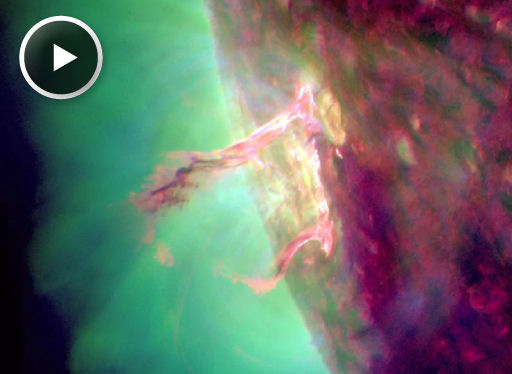
CHRISTMAS EVE ERUPTION: A filament of magnetism connected to sunspot AR1386 erupted during the early hours of Dec. 24th. Extreme UV-wavelength cameras onboard the Solar Dynamics Observatory recorded the picturesque blast:  http://spaceweather.com/images2011/24dec11/christmaseve_strip2.jpg

The C5-class eruption hurled a billion-ton coronal mass ejection (CME) into space, but not toward Earth. With the cloud sailing wide-left of our planet, Christmas geomagnetic storms are unlikely. Nevertheless, this active region merits watching as it turns toward Earth in the days ahead, possibly positioning itself for the first storms of 2012.

On the other hand, a minority of physicists and astrophysicists theorize Old Sol’s just hurling back all those marching orders he got from Alpha Centauri and other nearby stars telling him what kind of Christmas to have.  They support their premise on the evidence hasn’t eaten anything lately and the instruments haven’t recorded him getting anything for Christmas worth getting upset about.   Unless he objects to Chinese manufactured products.

I’d suggest we all try to stay calm until we have a clearer idea what’s on his mind.

Old Jules

Old Sol’s Christmas Tortilla -Second Harvest – 4th Movement

http://spaceweather.com/

Amusing himself as only he can do.  Strutting his stuff for Alpha Centauri, most likely.

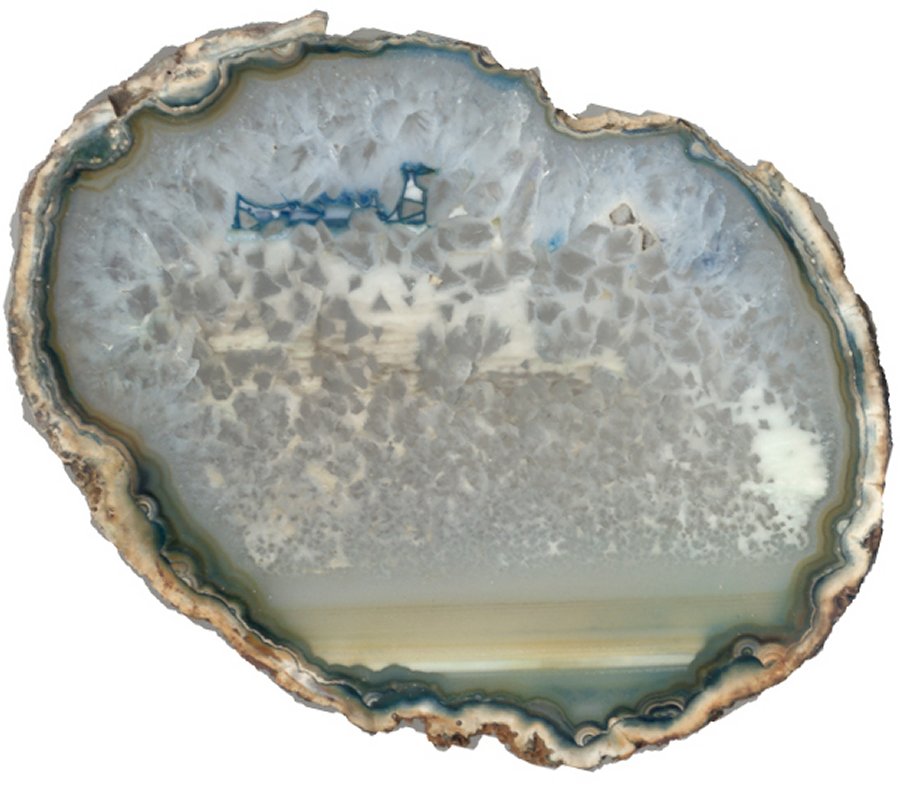
I saw something that rhymed with this on a tortilla in New Mexico once, but they charged money to see it.  This one’s gratis.

Off to the right there’s this, for the eclectic tastes in the audience.

Perspective.

Old Jules


When Pigs Fly – US Drone or Chinese Space Launch?

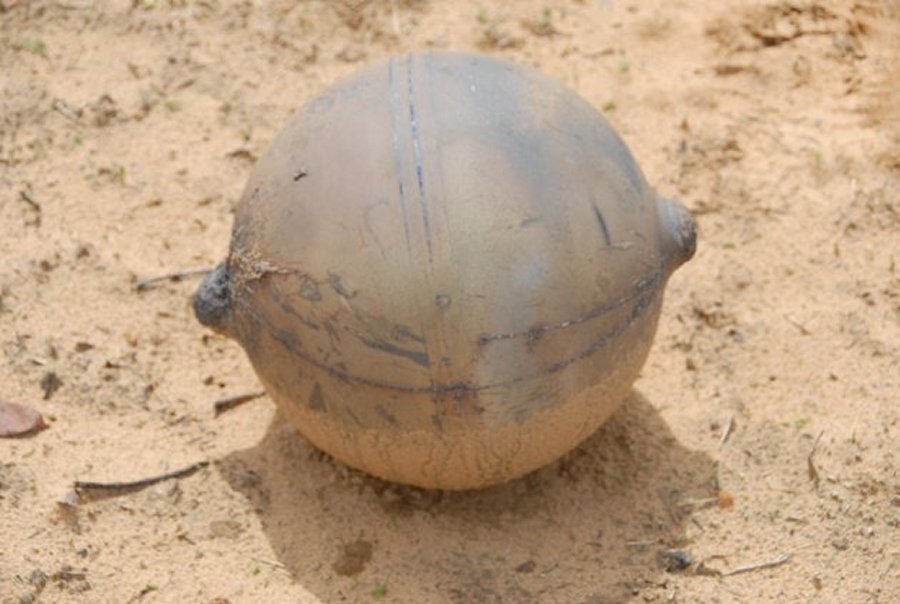
“Space ball” drops on Namibia

http://tinyurl.com/7s3ovud

A large metallic ball fell out of the sky on a remote grassland in Namibia, prompting baffled authorities to contact NASA and the European space agency.

The hollow ball with a circumference of 1.1 metres (43 inches) was found near a village in the north of the country some 750 kilometres (480 miles) from the capital Windhoek, according to police forensics director Paul Ludik.

Unnamed Pentagon sources were adamant this is not a US drone.  “We’ve made a list of all our drones and checked it twice.  We are not missing any drones.”  He went on to observe, “The workmanship and metal quality appear to be Chinese in origin.  Unless we discover we’ve miscounted our drones we’ll continue to operate on the premise this object is a Chinese Space Program launch intended for Harbor Freight.”

Some skeptics are less certain.  A news release from a popular UFO debunking site offered the following analysis:  “It’s obviously the planet Venus or a weather balloon.  People who aren’t trained to carefully observe and think clearly are always making these kinds of mistakes.”

Old Jules 


Lovejoy the Tail Wagging Comet

Morning readers.  Thanks for coming by.  The traffic’s down on the blog so far I figure I can talk about Lovejoy a bit more without boring too many people back to sleep.  First, here’s what’s on Spaceweather dot com about it this morning:

THE AMAZING TAIL OF COMET LOVEJOY: Widespread reports of Comet Lovejoy‘s tail are being received from around the southern hemisphere. The ghostly plume emerges just before sunrise, jutting vertically upward into the eastern sky ahead of the sun.

“I observed the comet with my unaided eye for 55 minutes this morning,” says Colin Legg of Mandurah, Western Australia. “I also captured a timelapse sequence of the comet rising as twilight progressed.” Click on the image at the site to set the scene in motion.

“In the image you can see 2 tails,” notes Clegg. These are the dust and ion tails. The gaseous ion tail is blow almost directly away from the sun by the solar wind, while the heavier, brighter dust tail more closely follows the comet’s orbit.

The visibility of both tails could improve in the days ahead as the comet moves away from the sun and the background sky darkens accordingly. Early-rising sky watchers should be alert for this rare apparition. [finder chart]

http://spaceweather.com/

Edit 8:00AM:  I decided to try to embed that video by Colin Legg here so’s I can watch it without trying to remember how to get back to the site:


Comet Lovejoy (2011 W3) rising over Western Australia from Colin Legg on Vimeo.

Over the next while I’m figuring to attempt to duplicate the behavior of that tail inside a fish bowl full of circulating water orbiting a tube of permanent magnets stacked atop one another, then electromagnets if the permanent ones don’t do the trick.  I’ll have an anode on one side of the fishbowl, a cathode on the other injecting, first colloidal iron, then if necessary, other metals into the circulating water.

I’m harboring a lot of curiosity about what that tail’s saying.

But for those of you who don’t click the spaceweather site I’ll give you this thing some guy did with a pinhole camera and a beercan showing the anelemma of the sun over several months:

THE SUN IN A BEER CAN: I have captured the sun in an empty beer can,” reports Jan Koeman of Kloetinge, the Netherlands. In June 2011, Koeman assembled a solargraph–a simple pinhole camera consisting of a beer can lined with photographic paper–and for the past six months he has used it to record the sun’s daily motion across the Dutch sky. Today he removed the photo-paper for inspection. 

“This is what a photo with an exposure time of nearly 6 months looks like,” says Koeman. The highest arcs were traced by the summer sun of June 2011. The lowest arc was made just today, Dec. 21st, on the eve of the 2011 winter solstice. Occasional gaps are caused by clouds.

Curiously, Koeman had more than one empty beer can to work with on that hot summer day in June when he began his project, so there are multiple views to enjoy. Click here for more solargraphs.

Got me thinking maybe all that weirdness we’ve been seeing across the face of Old Sol lately might be the result of a combination of a hangover and spending several months jail-time inside a beer can.

Old Jules


Sundragons and Other Serious Stuff

Good morning readers.  I’m gratified you came by for a read.  There’s a lot going on in the Universe this morning, but most of it is too big, or too little to get a gander at, so I’m going to give you an opportunity to shrug it all off as I’m doing.

If you’re the sort of person who sees herds of cattle, naked women, elephants, alligators and stagecoaches in clouds, mountains and whatnot you’ll see immediately what was on Old Sol’s mind yesterday:

Which doesn’t require any further discussion except to say:

Which also speaks for itself.  Enough said about that.


Unless you want to hear it in song.

But if you’re feeling more in the serious and unsmiling turn-of-mind this morning you probably won’t grasp the implications and ramifications of that.

Instead you’d probably prefer something you can’t shrug off.  For you, I suggest you have a look at the comet Lovejoy as it passed away from the sun:

http://spaceweather.com/archive.php?view=1&day=19&month=12&year=2011

http://spaceweather.com/images2011/18dec11/spiraltail_strip.jpg

All that wiggling and wagging it’s doing with the tail might be the most interesting thing human beings have had an opportunity to view since the invention of the camera, the rocketship, the atom and other genius gadgetry of modern life including toasters.

Lovejoy is telling you something it might take human beings a longish time to hear, if they ever get around to hearing it at all.  Which seems about equally likely.

With the possible exception of the cats, chickens, and the occasional folks out there who see it but ain’t about to say anything.

But I’m not going to say any of that.  Instead, I’ll just say I’m figuring I might post something later along more interesting lines.

Thanks for coming by.

Old Jules

Muddy muddy muddy etcetera

You’ll be happy to know Old Sol’s finally getting things under control up there.

 
That line of misbehaving sunspots that were marching across above the equator so long finally got its comeuppance.  Today there are only three honest-to-goodness ones and the litter of little peckerwoods just coming around the horizon. 
 
Astrophysicists aren’t in agreement about what was getting out of hand up there, but many now assert it might be mud and all this rain that finally got it under control.  There’s been so much rain lately every stick of firewood here’s been soaked, and even though cooling down Old Sol with wet firewood would be a big job of work, eventually it was bound to happen.  Probably the reason for this cold snap, too.
 
But the other line of thinking among Hopi Elders, surviving Mayan track-of-time keepers, and the folks at BUREAU INTERNATIONAL DES POIDS ET MESURES, ORGANISATION INTERGOUVERNEMENTALE DE LA CONVENTION DU METRE, believe there’s a more novel reason that line of sunspots dwindled.  They couldn’t stay in step. 
 
Time, they assert, is so screwed up it’s impossible to keep anything going with any regularity and the sunspots finally just got too frustrated to keep trying.
 
There might be a lot to that.  I get the email reports from the Hawaii Konate folk, and the circular always starts off with the caveat:
 
“Coordinated Universal Time UTC and its local realizations UTC(k). Computed values of [UTC-UTC(k)]   and uncertainties valid for the period of this Circular. From 2009 January 1, 0h UTC, TAI-UTC = 34 s.”
 
Those uncertainties cover a lot of ground all over the planet and the people making a living trying to keep track of what time it is send out the Circular to advise interested parties of what time it wasn’t, mostly, any given day in cities of clockwatchers.  But even telling what time it wasn’t has a considerable uncertainty factor, which they aren’t ashamed to admit.
 
I don’t know why they even keep those people on the payroll if they can’t tell us what time it wasn’t.
 
I’m going to kick this around with the cats and chickens.  See if we can’t figure out a way to get a piece of the action on this timekeeping racket.
 
Old Jules
 

Simultaneity of Events – Needing some ideas

Some of you readers are a lot smarter than I am, and I happen to be stuck.  I’d be obliged if any of you can wrap your minds around this problem and tell me how to do it. 

One of the projects I work on daily involves series regularly scheduled ‘events’ happening across the world.  Every day they’re conducted at the same locations and at repeated intervals, several hundred times each day for each location. 

I know the precise geographic coordinates for the locations and the local times of the events.  But one part of the experiment requires examination and comparisons of simultanious events, say, from a location in Australia, another in NY, another in Rhode Island, to keep it simple.

But two events happening, say, in Rhode Island and New York at the ‘same time’ by the clock are actually several minutes apart.  They occupy the same time zone, but events in Rhode Island at 3PM aren’t the same events as those happening in NY at 3PM. 

But even without taking DST into the equation, events in Australia might be 15 hours and 30 minutes later by the clock to be simultaneous with New York, or Rhode Island, and only one of the two.  The event in one would be simultaneous with Australia several minutes earlier, or later, than the other.

I can calculate minute-by-minute sidereal times for each of the locations, but establishing a baseline for the relationships in terms of simulataneity eludes me.  I do all this on a spreadsheet.  I know nothing about programming computers.

I’d welcome any suggestions.  Particularly if it involves something automatic and repeatable.  It’s probably something simple, even stupid, but I’d like to get past trying to figure out how to do it and get around to actually doing it.

Gracias, Old Jules

I’ve got to get going.  I’ll be back online sometime later today.

Time Lapse Video of Old Sol’s Moods, Etc.

Thanks for coming by for a read.

WordPress is behaving as though it gets paid by the hour this morning.  Everything’s taking forever to load.  Besides, the blog never gets much traffic Fridays anyway.  So I’m going to try the patience of those of you who do visit by indulging in a post I promised my friend Rich in North Carolina and a couple of others I’d put up.  

I’ve got a goodly bit on the plate elsewhere today and mightn’t be around the cabin much, but if WordPress goes on salary and I’m back I might put something else up later.

Some of you expressed an interest.


Then there’s this:


Sunsounds run through different frequencies and filters


Black hole – NASA – The comments are worth reading for a smile  – Guy wants to know why the camera doesn’t get sucked into the black hole.


Then there’s this:


The Spitzer telescope examination of the galactic center

Almost forgot this:

New all-sky map shows the magnetic fields of the Milky Way with the highest precision http://www.mpa-garching.mpg.de/mpa/institute/news_archives/news1112_fara/news1112_fara-en.html

Old Jules