Behold, sweet sovereign of song,
creator, keeper, carrion king
of Rock and Roll,
how we miss you.
Old now, my liege, how we hum
how we whistle distant echoes
of your reign
and remember!
Not for you, sweet prince,
mediocre marble monuments,
bronze busts in barren halls.
How you were us!
How, in your dotage,
your swollen jowl,
your sallow cheeks,
your leaden eye
became our own.
Not for you, the canvas likeness hung on walls
with saints, small children, gods and golden men.
Not you!
For you, lord, the paper likeness,
the image on black velour;
in plaster lamps,
plastic icons,
and now this final homage
to your fiery youth.
With every moist touch of these lips, this tongue
we wash away the mucous of those later years
of yours and ours;
summon forth the young prince;
call back those vibrant times
of yesteryear
when the bud shot forth from the vine
and you emerged
and we emerged.
Every touch, sweet prince, to brush away
the bloated darkness of those later
aftertimes
and stay the past within this tiny,
glossy image forth.
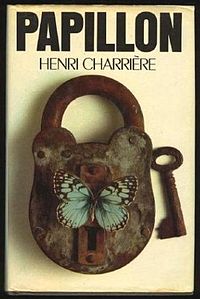
Those of us spoiled to a particular concept of freedom and the fear it’s coming unravelled might be well served to read Papillon once in a while. I didn’t mention it in my review of it here, but I should have: Papillon.
From one perspective the entire book is about freedom of a sort we, confined to our mental boxes containing what freedom is, refuse to acknowledge exists, can exist, for ourselves and those around us. It’s the story by Henri Charriere of his own life, searching and occasionally finding that kind of freedom while trapped in an environment few slaves in history could match for savagery endured. A deliberate, carefully devised savagery imposed by a modern, civilized nation.
A nation, I’ll add, not too unlike our own.
But what I intended to say about Papillon this post is one of the corner-of-the-eye aspects of freedom and Charriere’s finding of it during the most trying of times. Once when he was in solitary confinement so severe as to be intended to drive him insane, to break him, destroy him. Another when he was confined to a boat with other escapees mid-ocean.
These shreds of rhetorical freedom we savor can be unravelled like a wool sweater with a touch of pen to paper. The freedom Charriere describes are immune to confiscation. But they’re the responsibility of each of us to find within ourselves. Nobody’s capable of giving them to us by signing a paper. We can’t win them by force of arms by storming a Bastille, or Winter Palace.
The winds of history are eroding away those easy freedoms written on parchment and signed into some illusion of reality for most of the citizenry. That’s happening and there aren’t any heroes likely to ride in on white horses, nor White Houses to save them.
But we don’t have to allow ourselves the anguish of loss. A piece of each of us lives outside the rules and the rule-makers, the savages, the rapacious Viking kings of government and finance.
Maybe the starting place for finding real freedom requires losing the illusion that Viking kings can give it to us and take it away.
O Star (the fairest one in sight), We grant your loftiness the right To some obscurity of cloud – It will not do to say of night, Since dark is what brings out your light. Some mystery becomes the proud. But to be wholly taciturn In your reserve is not allowed.
Say something to us we can learn By heart and when alone repeat. Say something! And it says “I burn.” But say with what degree of heat. Talk Fahrenheit, talk Centigrade. Use language we can comprehend. Tell us what elements you blend.
It gives us strangely little aid, But does tell something in the end. And steadfast as Keats’ Eremite, Not even stooping from its sphere, It asks a little of us here. It asks of us a certain height, So when at times the mob is swayed To carry praise or blame too far, We may choose something like a star To stay our minds on and be staid.
It isn’t as though you have a more favorable alternative.
Good morning readers. I’m gratified you came by for a read. There’s a lot going on in the Universe this morning, but most of it is too big, or too little to get a gander at, so I’m going to give you an opportunity to shrug it all off as I’m doing.
If you’re the sort of person who sees herds of cattle, naked women, elephants, alligators and stagecoaches in clouds, mountains and whatnot you’ll see immediately what was on Old Sol’s mind yesterday:
Which doesn’t require any further discussion except to say:
Which also speaks for itself. Enough said about that.
Unless you want to hear it in song.
But if you’re feeling more in the serious and unsmiling turn-of-mind this morning you probably won’t grasp the implications and ramifications of that.
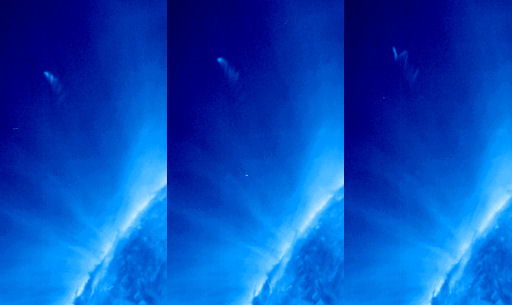
Instead you’d probably prefer something you can’t shrug off. For you, I suggest you have a look at the comet Lovejoy as it passed away from the sun:
All that wiggling and wagging it’s doing with the tail might be the most interesting thing human beings have had an opportunity to view since the invention of the camera, the rocketship, the atom and other genius gadgetry of modern life including toasters.
Lovejoy is telling you something it might take human beings a longish time to hear, if they ever get around to hearing it at all. Which seems about equally likely.
With the possible exception of the cats, chickens, and the occasional folks out there who see it but ain’t about to say anything.
But I’m not going to say any of that. Instead, I’ll just say I’m figuring I might post something later along more interesting lines.
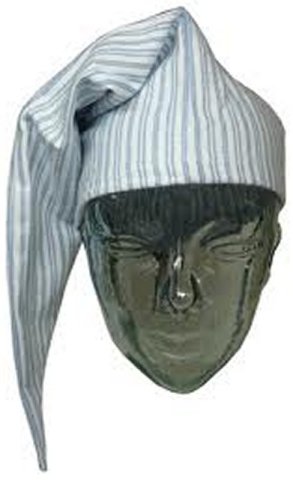
Every year I wonder about these pictures of Scrooge and others wearing pointee nightcaps. It’s a subject dear to my heart because I became an aficionado of sleeping hats when I used to do my slumbering outdoors a lot.
The function of a nightcap is to keep a person from losing his body heat through his exposed scalp and hair. Besides doing that it needs to stay on the head while you toss and turn. Those pointed hats do none of that.
I’ve tried a lot of different types of sleeping caps through the years and found it’s not easy to find one that satisfies all the minimum criteria:
This one’s sheepskin and I’ve used it for 30 years when the weather’s cold enough. But it’s stiff and doesn’t stay on all that well because one of the straps for tying under the chin broke off sometime way back there and I haven’t gotten around to fixing it. The temperature has to be not-too-warm or it becomes a cranial sweat lodge and not-too-cold because it doesn’t provide any protection to the exposed part of the neck.
A balaclava solves some of that, but it’s only one layer thick, somewhat expensive, and tends to wear out at the chin. When the ambient temperature gets down around freezing it needs some help.
They make those fleece caps for women and I find them in thrift stores for a buck frequently. When I find them, I buy them and wear them a lot, outdoors, indoors and as sleeping caps when the weather’s cold, but not cold enough for something more extreme.
During this last cold snap when the water froze inside the house I came up with this, and I like it a lot. It’s a fleece blanket folded four times lengthwise, wrapped around the head and tucked into/zipped in to the fleece vest. It stays in place and is warmer than anything I’ve ever found. It’s tempting to drag out the scissors, needle and thread and cut it down to a four-layer balaclava, but I hate to mess up that fleece blanket. The “don’t fix it if it ain’t broke” school of winter headgear might apply here.
When the weather’s cool but not cold, the stocking cap is a seductive option, even though they don’t ride out the night well. I keep a stack of a dozen of them on the bookshelf above the bed so I can reach up and find one for a quick reload without turning on the light. Same concept as a fresh clip of ammo for a rifle near at hand.
Pointee hats are talk. As Tuco observed in The Good, Bad and Ugly, “When you’re going to shoot, shoot. Don’t talk.”
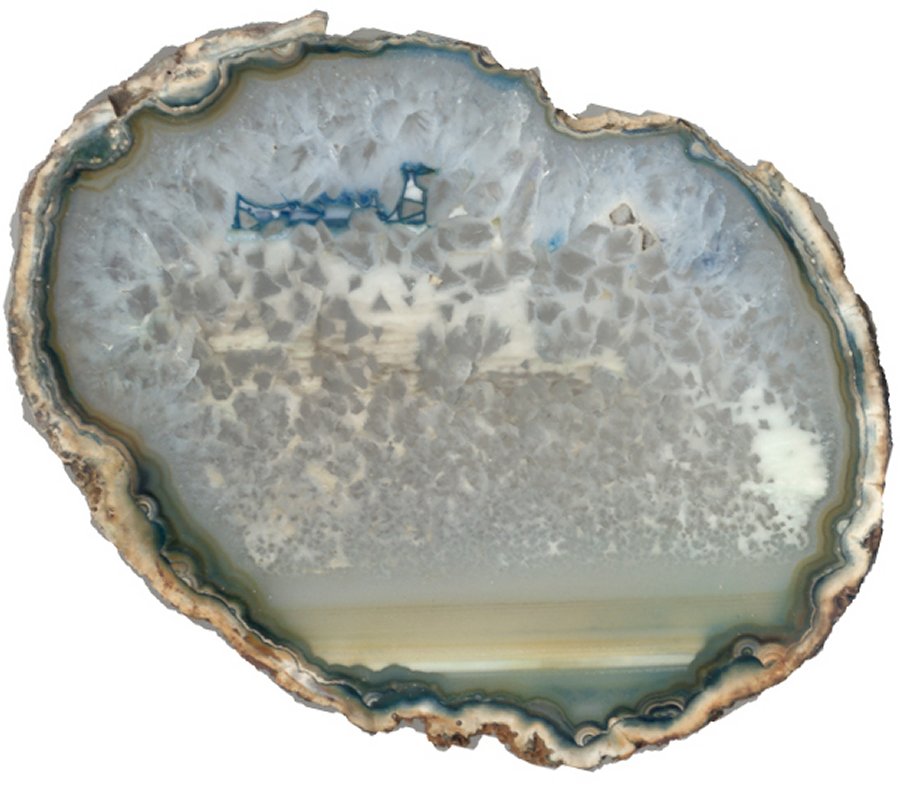
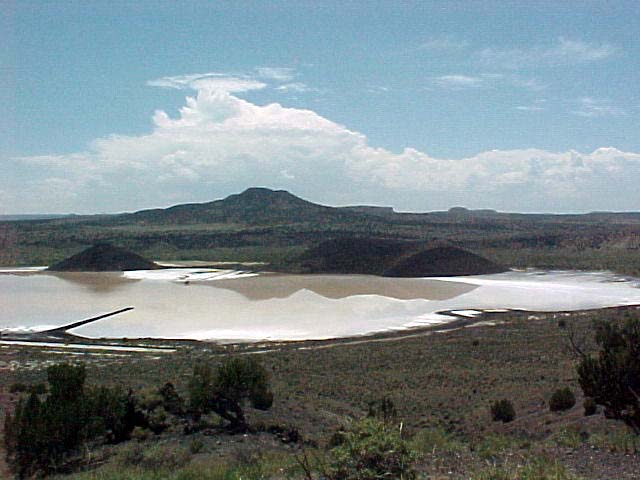
It’s about forty miles south of the Zuni Rez, almost in AZ.
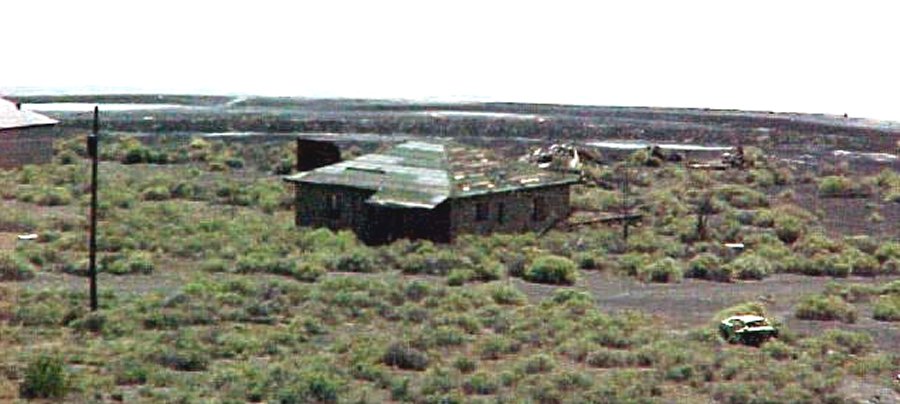
There’s a ghost town you can barely see in the pic…. used to be a considerable community down in there when it was private land, from the mid-1800s until the 1950s, evaporating salt from the huge concrete beds. Most of the buildings are still intact, though they’re going away rapidly.
Today it belongs to the Zuni tribe, one section of land, but it’s not in the national trust as part of the Rez. Tribes have been acquiring a lot of land from casino monies and other ways during the past decades, making the lands acquired ‘tribal’, but not Rez, which puts them into an interestingly ambiguous position insofar as road maintenance and county taxes.
Salt Lake was acquired as a piece of a lawsuit against the US government involving an airplane with a hydrogen bomb aboard that crashed on the Rez, with first responders being Zunis, but which the feds didn’t bother telling them about the bomb, leaving emergency workers exposed to hazardous materials without knowing it. The tribe got a few million out of that, which they used to purchase 60k acres of land to the south of the Rez, but Salt Lake was thrown in as a bonus.
Salt Lake’s a sacred place for the Zunis, home of Salt Mother. If you are willing to risk hopping the fence and wandering around down there ….. it’s a volcano crater with a hollow secondary plug you can climb, then a spiral trail leading back down inside … that’s where most of the rituals for Salt Mother are held… but all over that section you’ll pass over various religious items from recent times you’d be well advised to leave untouched.
Salt Lake used to be the place all the warring tribes got their salt throughout history. A place where a constant truce between enemy tribes existed.
It’s also part of what the power companies would love to strip mine. The great percentage of the desert surrounding it, from north of Springerville, and Saint Johns, Arizona is government land with shallow coal deposits comparatively inexpensive to ‘recover’. They’ve already converted the desert on the Arizona side to a wasteland. Still desert, but more in the moonscape vein than the usual, regular arid country mode.
The people in El Paso and Phoenix need electricity so they can fire up their hair dryers every morning, and keep their homes refrigerated. Those places have climates uncomfortable to the human skin most of the time and they’d rather savage a few million acres of country they’ve never visited and never will than suffer a few degrees of discomfort and use a towel to dry their hair.
Which the Zuni believe would thoroughly piss off Salt Mother, with considerable resulting pain for the Zunis, and all the rest of us.
They might be right.
The Zuni and a few commie-pinko-obstructionist greenie environmentalists are the only people who give a damn, and the other desert-dwellers in the area would welcome the jobs helping ravage the country around them would bring to the area. The last time I looked the Zuni tribe was burning up a lot of tribal money trying to stop the mine expansion into New Mexico. The prospects didn’t appear promising because the New Mexico government, the feds, and the mining interests were stacked up singing songs of human progress and greater good.
Heck, it’s been a few years now. Maybe they’re already mining it. Probably easier to ask someone in Phoenix or El Paso whether the hair dryer worked this morning and if it did, assume that desert has gone to the moon.
Send her roses now and then
A box of chocolates might help
She loves to hear, “I love you.”
Even if you don’t
Candy lies with chocolates and roses
When things get bad
And the secretary winks
Keep in mind
This won’t make it any better
Keep your valentines at home
Secretaries don’t come easy
And two women in your life
Ain’t a big improvement
Over one
When the embers cease to glow
Don’t forget or you’ll regret
You forgot the anniversary
There’s nothing out there better
Give her candlelight and roses
Candy lies with candlelight and roses
In the old days it was about taxes and heaping the payoff of the national debt on farmers who made whiskey out of their corn. In 1790, it was considered an abomination and the farmers rebelled. Abraham Washington or George Lincoln, I think it was, sent troops and eventually the Whiskey Rebellion became a footnote in history.
The song was ended but the melody lingered on.
Miss Marcy doesn’t quite fit the theme, but it involves whiskey stills, illicit sex, murder, dancing, adultery and other dirty stuff, and it’s a good song. I’d be remiss leaving it out.
The Night Chicago Died isn’t precisely historically accurate, but it’s the only song comes to mind encapsulating what Prohibition led to: Gangsters, cops and bystanders being gunned down, speakeasy whiskey nights, corruption, and a lot of richer cops, politicans and gangsters with nobody else better or worse for it except prison guards, more lawyers, judges and cops. Sound familiar?
Even into the 1960s illegal whiskey still brought a smile and tacit approval from a population unaffected by the tiny wars still going on between back-woods whiskey-makers and ‘reveneurs’. Not to be mistaken for Jack Daniels or Johnny Walker. Nobody was getting killed over in the Jack Daniels plant.
Roger Miller’s classic’s just another example the general public attitude as opposed to the governmental enforcement apparatus tactics.
The US Government isn’t a fast learner. They were already controlling and taxing whiskey. They’d have saved more treasure than anyone can imagine it they’d taken that approach to dealing with cocaine. The substance abuse happened, the machinery of justice cranked up to deal with it, the prisons filled, and the taxpayers paid, paid, paid without taking it off the streets. Nor even out of the prisons.
Much the same song, different stanza for the poppy derivative family.
But whiskey and illicit drugs weren’t enough. The only obvious place the government was successful collecting taxes across the board was on tobacco.
But even a lot of whiskey drinkers and cocaine snorters didn’t like smokers. Gradually smokers were eased over there with prostitutes when it came to hammering them out of existence.
I’ve included a lot of different versions of this next song because we’ve needed a lot of jails for the people who get crosswise with moral superiority, barrels full of money, cops, politicians, judges and people who just like to know people they don’t agree with are in jail.
I’ve had to leave prostitutes and prisons for women full of them out of this because nobody cares enough about them to write a song.
My grandad used to sing these first two to me. I think I probably knew both of them by heart before I began grammar school in 1949:
By the time Marty Robbins recorded this and started it playing on the radio I knew it well enough to make everyone in hearing distance wish it hadn’t played by singing along with it.
This Woody Guthrie version is probably my favorite.
When Jimmy Driftwood recorded this it had everyone in the country singing along when it played on the radio or jukebox.
Strange, strange song. I count it as one of the best CW songs of the 20th Century.
There was an old lady named Mrs. McCormick who had dementia living down the road from us. If she was outdoors when I walked past she’d usually pay me a nickle to sing this to her. That, and the fact she thought her husband left on the stagecoach last week and ought to be back soon provides a measure of how far gone she was. Mrs. McCormick was the only person I ever encountered in almost 70 years wanted to hear me sing more than once.
Yesterday Gale and Kay were away on another craft fair and I had access to Little Red, so I decided to trip into Harper for the farm/livestock auction.
The pickings were fairly slim because fewer people showed for it than I’ve ever seen at that auction. But things were going dirt cheap as a result.
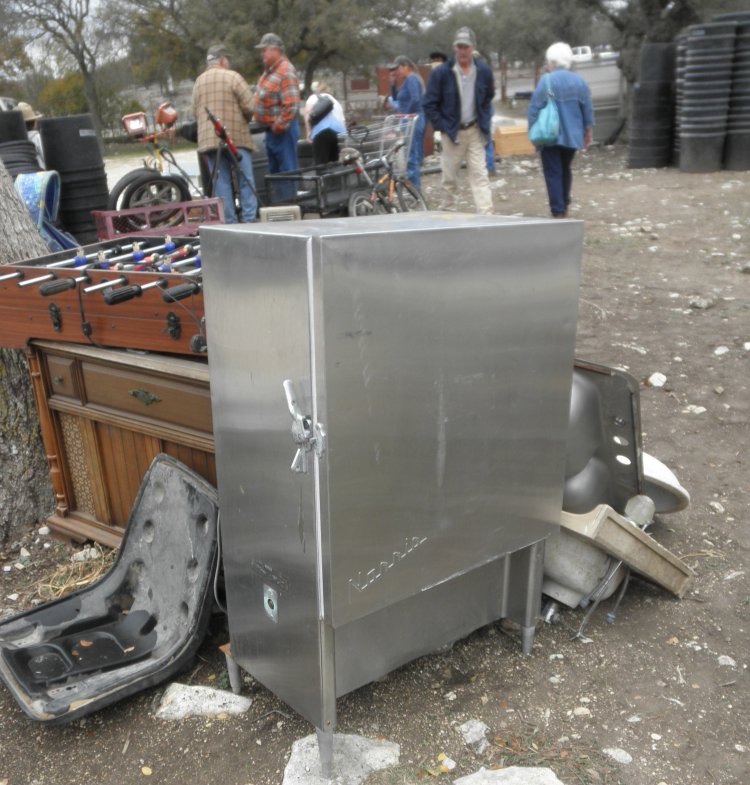
Cheap, I should have said, by comparison with the usual fare. On a normal third Saturday someone falls in love with this sort of thing and is willing to hock the family jewels to carry it home.
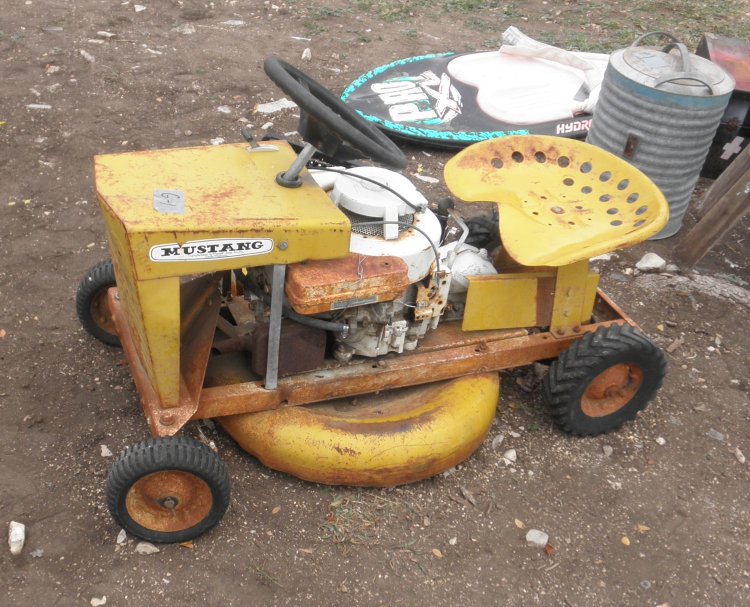
But yesterday even jewels of this sort were going for a couple of bucks:
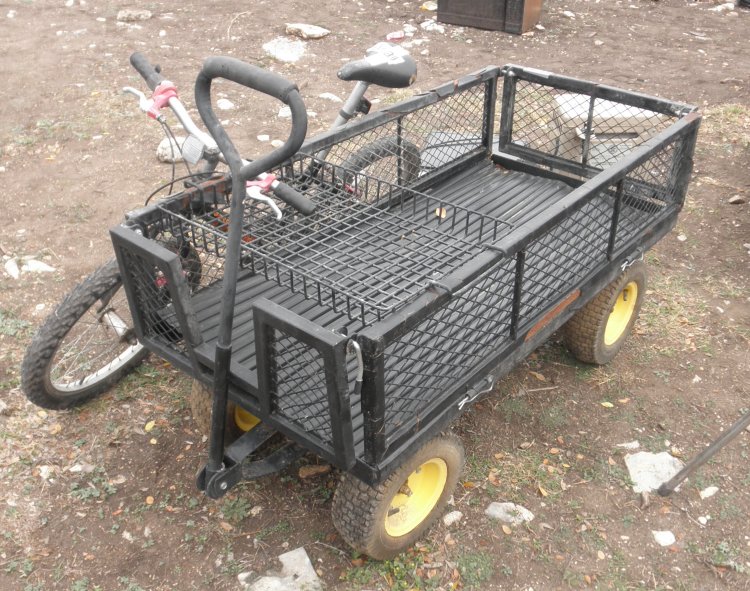
You’d think the seat and steering wheel on this would be worth someone hauling home at those prices.
A few items did draw bids a bit higher.
This compressor that might work went for around $15.
Plenty of antlers of all description but I wasn’t sure what Gale could use or I’d have stayed around to bid on some of the lots.
The poultry barn only had a few dozen birds, none I found a compelling need for. The livestock weren’t out in force. A few bighorn sheep, four starving longhorns, a few ibex, maybe a wildebeest I didn’t get a look at, and a horse headed for the dogfood factory.
I could have left after one quick swing around except for this:
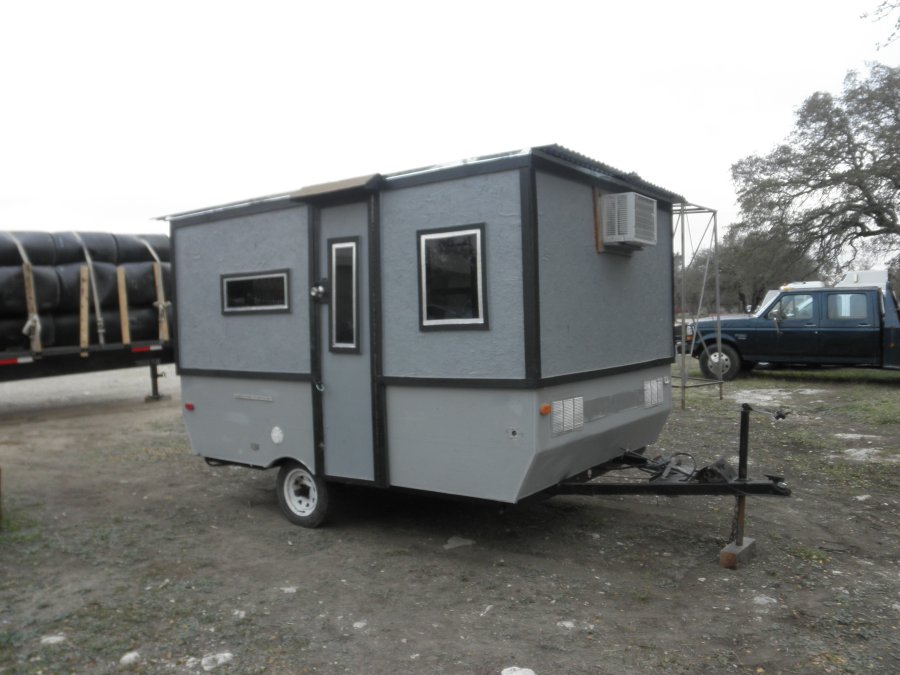
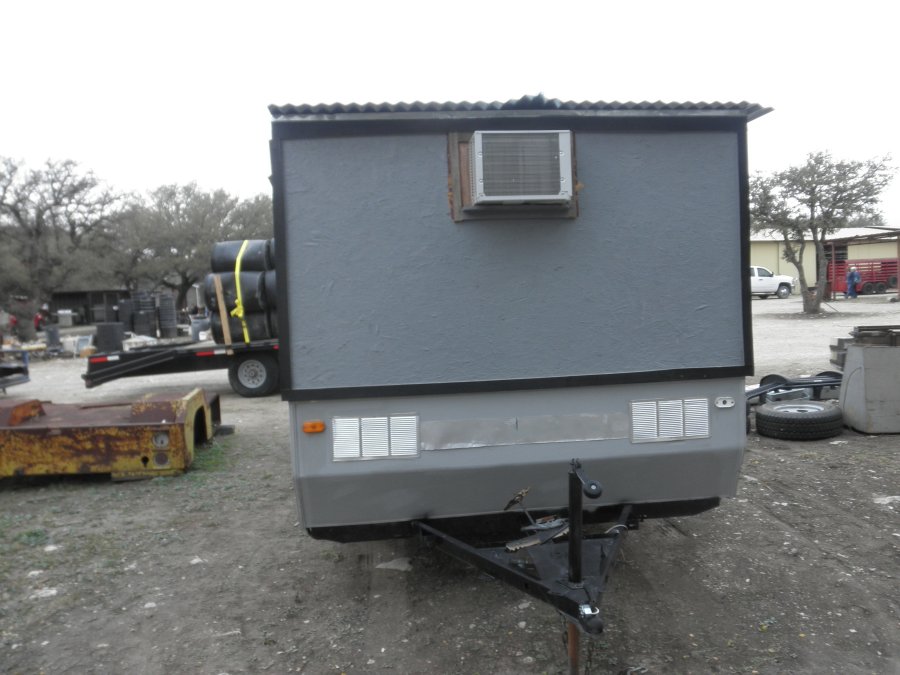
It was set up for propane and water at some time, but mostly everything except the wiring and hoses were removed. That bottom-middle vent, when opened, looks directly inside through a stripped cabinet that evidently once held a sink.
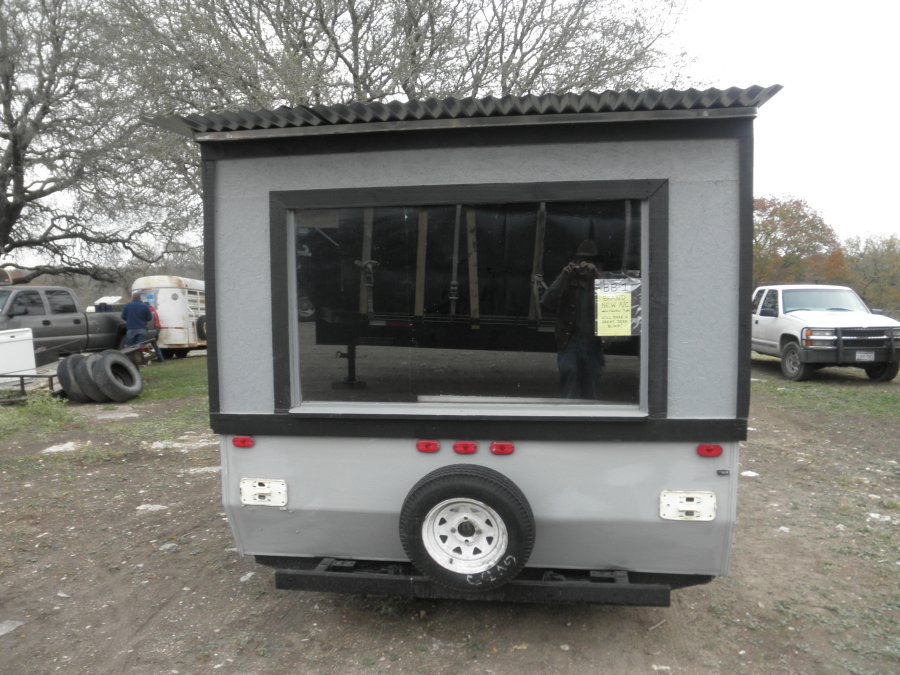
This rear window would have to be removed to get anything wider than the door inside. It doesn’t open. And I couldn’t help wondering why there had been a deliberate removal of the tail lights. No evidence of a license tag ever having been on it.
Those two vents open directly into the trailer underneath the two seats at the front, which would be a problem on the road in inclement weather.
But even knowing it was going to require a lot of work, beginning with protecting that particle board, it was a possible. This winter would be a lot warmer living in there, and that’s a factor to warp judgement to a degree. And having something that would provide a mobile escape route if I need one, a lot easier than anything I’d come across thus far lent itself to a decision to bid if the competition wasn’t strong.
I figured it might go for $300, which I could cover. I decided I couldn’t go more than $500, and even that would squeeze things a bit uncomfortably. When the bidding came it went to my $475, long pause and someone bid $500. I turned to walk away, then spur of the moment raised my arm for $525. And the bidding stopped.
I’d just bought the damned thing.
I went to the office to pay for it, forked over the money and the young lady was filling out the paperwork when the older lady behind her chimed in. “He told you about not being able to get a trailer title for it didn’t he?”
“Hmmm. No.”
Her face curled into a snarl. “That SOB! He was supposed to announce that before he auctioned it. You can’t take it onto the road. You can’t get a title for the highway.”
This caused me to have to back up and try my hand at rapid thinking. Not my long suite.
After a pause, both of them staring at me, “Do you still want it?”
“Um. I guess not.”
She counted my money back to me, I handed them the keys and went back outdoors to re-organize my life.
Nothing much had changed while I went from one package of my immediate future back to the one I began the day with. The world was still waiting for Godot.
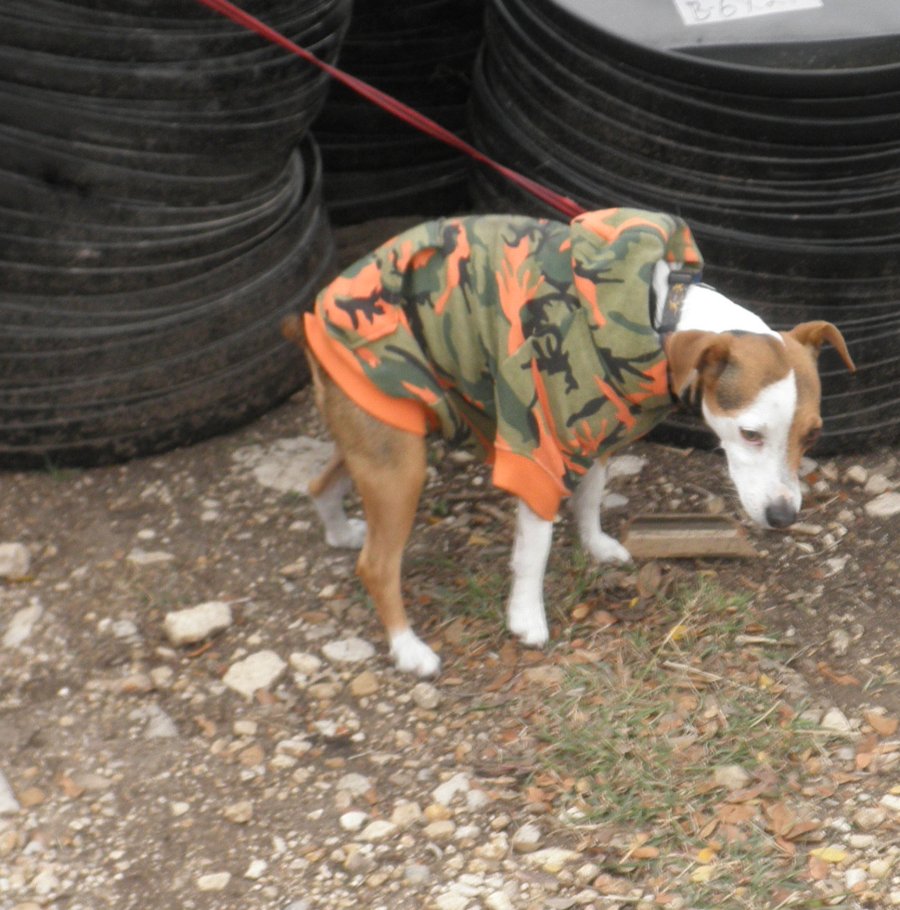
But while I went about the task of getting my mind back unshuffled I watched this dog make a statement about the whole event, laying a line of cable between me and all that potential future I’d just stuck my toe into, then pulled it back out.
This is all leading up to the summation of Old Jules’ Unified Bullying Theory.
Hopefully this will be my last buildup segment before trying to summarize something I’d call a theory about bullying, supported by the interactions of animals here and childhood memories that included plenty on the subject.
My childhood friend, Keith, was reflecting on how he remembered the two of us as kids recently when we met in Fredericksburg. Fiddle-Footed Naggings and Songs of the Highway. This pretty well dated Keith’s first clear recollections of me to the sophomore year of high-school, though we’d actually been in classes together since the 4th grade. He remembered the two of us as being a couple of nerds, getting pushed around a lot.
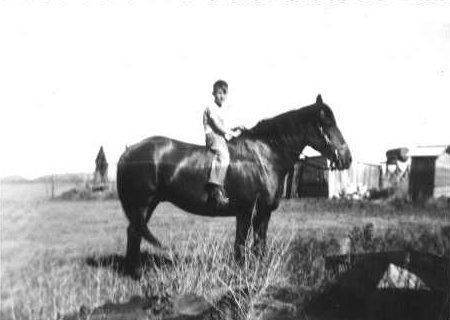
What I’m riding there just about says anything needs saying. That kid I was at that stage of my life was no bully in the making.
The picture with my two sisters might be about the time I was getting chased home by Floren and his brothers. At that point there was nobody I was likely to bully. Anyone can see the kid needs chasing home and a few beatings on the way can’t do anything but help.
But by the time this picture was taken I was hanging out at the school cafe with the Lindsey kids, smoking, and everyone knowing who was tougher than whom else. In those days any kid who could ride bareback was probably in danger of doing some bullying, too. I’m guessing all those kids from Lindsey Grade School could ride bareback.
I was bareback because the horse was stolen, though the person taking the picture almost certainly didn’t know it.
I was keeping three hogs for an FFA project in one of the buildings in the background, though the place was otherwise abandoned. I kept the horse there a couple of weeks before things got too hot, then took it out to the dirt road between this place and the neighborhood I was living in and slapped it on the rump to run it off. But the owner and authorities had already decided it hadn’t just strayed. A while later that picture glued me to the missing horse.
Sometimes I still wonder how the family adults could have been so damned stupid in those days. Where the hell did they THINK I got that horse? On the other hand, a copy of the picture became a small piece of a lot more damning evidence of how I’d been spending my adolescent years. By the time I was caught it filled up a corner of the Roosevelt County Sheriff’s Office.
Somewhere between this picture and the one above it things went south. Coincidentally, I was attending Central Grade School when the picture was taken, where I considered everyone rich kids, which they weren’t. But two years in a row I had teachers famous for their bullying.
One, the fifth grade teacher, gave me a spanking in front of the class at least once every day that year. Me, and any other kids who admitted when they were asked the first day of classes whether their parents would give them a whipping at home if they were told they got one in school. I didn’t realize until a couple of decades later it was a ruse to find out which kids wouldn’t tell their parents what was happening.
I used to want to go back to the graveyard in that town and spit and puke on his grave until a lot later in life than you might guess.
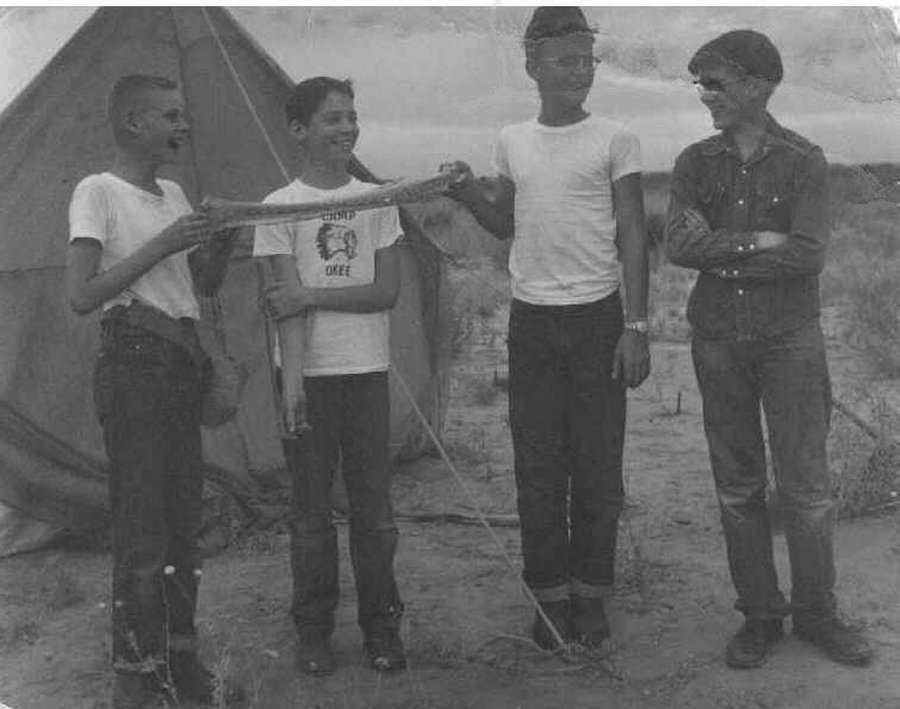
That’s me on the right at the pinnacle of my hellion/bullying times. Even that snake and the baby rattlers we found got me into a peck of trouble. Within a couple of months of the time this picture was taken I was being held in the Roosevelt County Jail for a couple of weeks waiting for them to decide whether I needed to get the rest of my education at the State Boys Reformatory at Springer, New Mexico.
They decided to keep me around on juvenile probation instead. That ended the bullying completely. If I’d looked sideways at anyone, or let myself get provoked into a fight I’d have been in Springer in a heartbeat. It was open season on me for anyone who felt the urge to kick someone around, and there was no shortage of those who did.
Here’s a year later while I was working with Kurtiss and some other youngsters for Skeeter Jenkens. A Sobering View of Y2K
That fall would be the school year Keith almost certainly remembers. Just another nerd. A peaceful, inconspicuous nerd doing his best to stay out of reform school. Midway through the Junior year it was clear I had to get out of that town, and I did. Nobody at all was sorry to see me gone.
The next bullying post is going to pull all this together with the animal bullying into Old Jules Unified Bullying Theory.
74 years old, a resident of Leavenworth, KS, in an apartment located on the VA campus. Partnered with a black shorthaired cat named Mister Midnight. (1943-2020)
Since April, 2020, this blog is maintained by Jeanne Kasten (See "About" page for further information).
https://sofarfromheaven.com/2020/04/21/au-revoir-old-jules-jack-purcell/
I’m sharing it with you because there’s almost no likelihood you’ll believe it. This lunatic asylum I call my life has so many unexpected twists and turns I won’t even try to guess where it’s going. I’d suggest you try to find some laughs here. You won’t find wisdom. Good luck.

























 So Far From Heaven